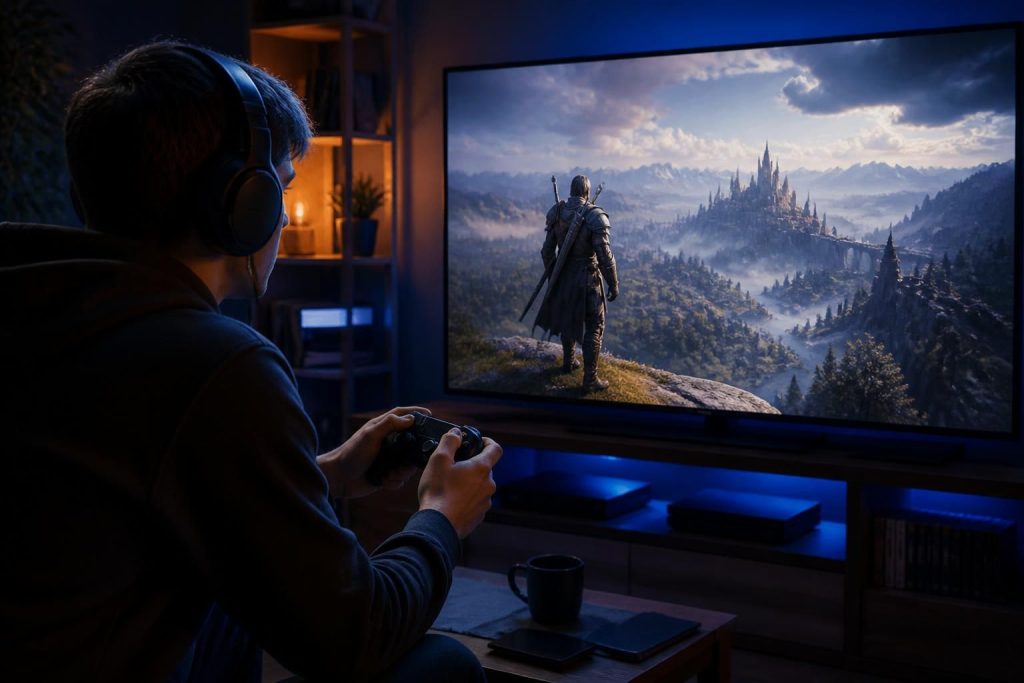
Game soundtracks and music play a crucial role in enhancing the player experience, serving as an integral component of the narrative and atmosphere in video games. From the haunting melodies of a dark fantasy world to the exhilarating scores of high-stakes action sequences, the music in games is designed to immerse players deeper into the virtual realms they explore. This article delves into how game soundtracks and music contribute to immersion, evoke emotions, and elevate storytelling in various gaming genres.
Creating Atmosphere and Enhancing Immersion
One of the primary functions of game soundtracks and music is to create a distinctive atmosphere that complements the visual elements of a game. Sound designers and composers meticulously craft scores that reflect the game’s setting, whether it’s a serene village, a chaotic battlefield, or an alien planet. For instance, games like The Legend of Zelda: Breath of the Wild utilize ambient soundscapes filled with natural sounds and subtle musical themes, which help players feel the vastness and beauty of the landscape.
Moreover, music can signal shifts in gameplay, alerting players to imminent dangers or changes in narrative tone. In many horror games, unsettling soundtracks amplify tension and fear. Titles like Silent Hill are renowned for their ability to evoke dread through discordant sound choices, effectively pulling players into a visceral experience that complements the unsettling visuals.
Emotional Engagement Through Music
Game soundtracks and music are powerful tools for evoking emotional responses. A well-composed score can enhance a game’s narrative depth, drawing players into the story and the characters’ experiences. For example, Final Fantasy VII is celebrated not only for its engaging gameplay but also for its iconic soundtrack, which heightens the emotional weight of pivotal story moments, such as character deaths and climactic battles.
The use of leitmotifs—musical themes associated with specific characters or ideas—further enriches the emotional landscape of a game. When players hear a familiar theme, it can bring back memories of their adventures, reinforcing their connection to the characters and the story. This technique is prevalent in many games, including the Halo series, where the main theme signifies triumph and nostalgia for players.
Interactive Music and Dynamic Soundscapes
With advancements in technology, the integration of interactive music has become a significant trend in game design. Unlike traditional soundtracks that play on a loop, interactive music adapts to players’ actions and decisions in real-time. This dynamic approach enhances immersion by making players feel more invested in the game world. For instance, in Red Dead Redemption 2, the music responds to the player’s actions, whether that be riding through the countryside or engaging in a gunfight, creating a seamless connection between gameplay and audio.
Furthermore, games such as Journey exemplify the potential of music as an interactive experience. The score changes based on the player’s movements and interactions, allowing players to create a unique auditory experience that reflects their journey through the game’s stunning landscapes. This level of musical interactivity not only enriches the gameplay but also serves to deepen the emotional impact of the player’s journey. For more on this topic, see สล็อตเว็บตรง.
The Cultural Impact of Game Soundtracks
Game soundtracks and music have transcended their original context, becoming cultural phenomena in their own right. Many compositions have been performed in concert halls around the world, attended by fans eager to experience the music live. The proliferation of orchestral arrangements and remix albums showcases the lasting influence and appreciation for video game music. Titles such as Super Mario Bros. and The Legend of Zelda have become iconic, recognized even by those who may not play video games.
Moreover, streaming platforms and dedicated music channels have made game soundtracks more accessible, allowing fans to enjoy their favorite tracks outside of the gaming context. This cross-cultural appreciation underscores how integral these soundtracks have become to both gaming and wider popular culture. The narrative and emotional depths conveyed through game music resonate with audiences, leading to a rich community of fans and musicians dedicated to this art form.
The Future of Game Soundtracks and Music
As technology continues to evolve, the future of game soundtracks and music promises even more innovative and immersive experiences. The incorporation of artificial intelligence could lead to even more personalized soundtracks, where music adapts not just to gameplay but also to players’ individual preferences and emotional states. This evolution could create a fully adaptive musical landscape that deeply personalizes the gaming experience.
Moreover, collaborations between game developers and renowned musicians are becoming increasingly common, resulting in high-profile soundtracks that attract new audiences. The recent partnership between the game industry and music artists showcases how these collaborations can amplify a game’s reach and cultural impact, drawing in fans from both realms.
In addition, as virtual reality (VR) and augmented reality (AR) gaming become more mainstream, sound design will play an even more critical role. The importance of spatial audio in these immersive environments will further enhance players’ experiences, making game soundtracks and music an essential component of future gaming innovations.
In conclusion, game soundtracks and music serve as vital elements that enhance immersion, emotional depth, and cultural significance within the gaming world. By creating atmospheres that resonate with players, engaging their emotions, and evolving alongside technology, music in video games continues to transform how players experience and connect with their virtual worlds. As the gaming industry moves forward, the role of soundtracks and music will undoubtedly remain pivotal in shaping immersive narratives and unforgettable gameplay experiences.